How time is reverted in Street Photography
Past, present and future.
That’s the right order of time. We’re used to perceiving time as a linear, one-directional dimension. You might have heard this before: entropy always grows. You’ve seen a glass breaking and becoming fragments of what it was, but you’ve never seen the opposite. The cause comes before the consequence; it has always been like this.
Acts have consequences.
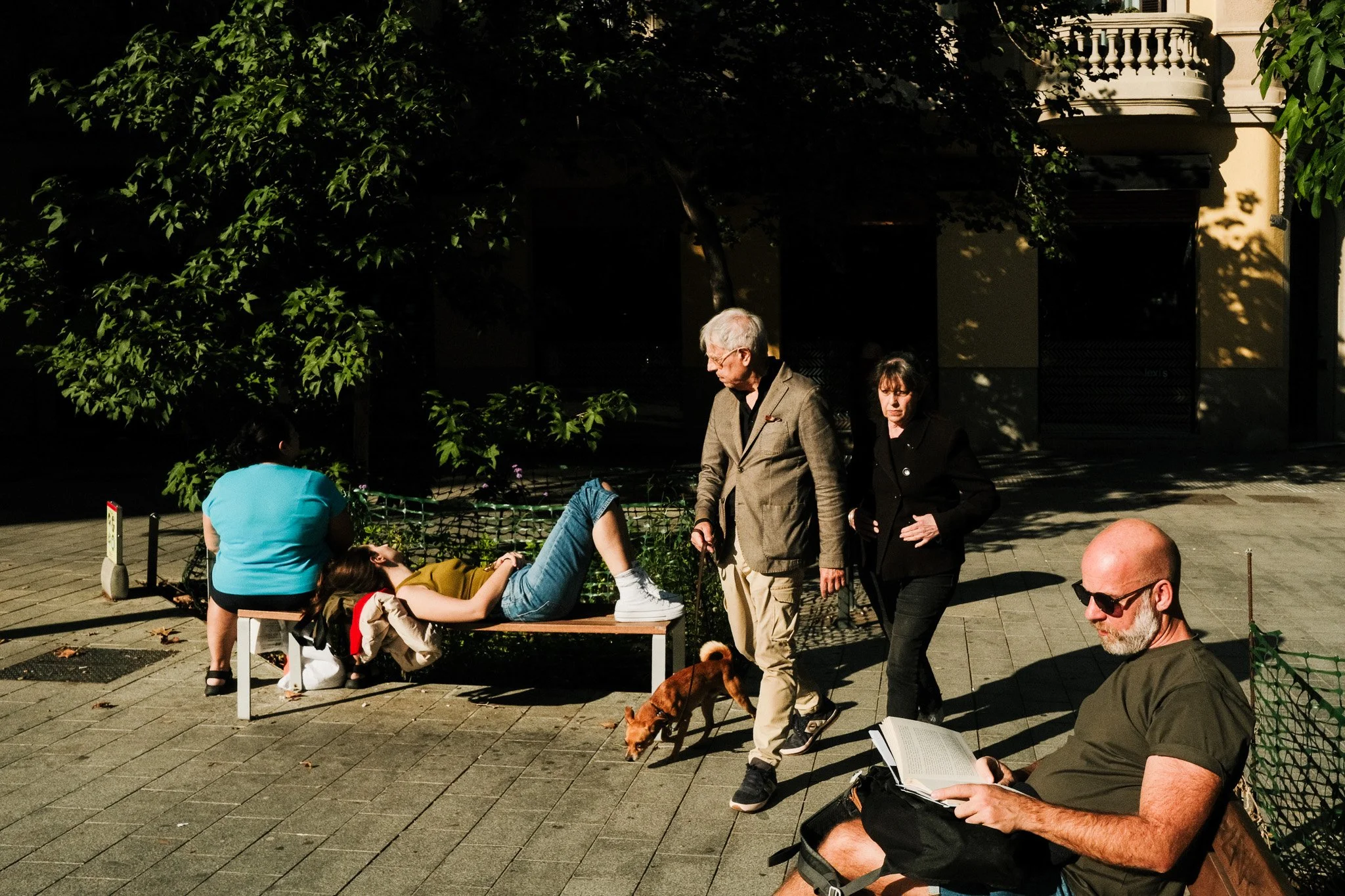
Let me rephrase it: the past affects the present, and the present affects the future. This is our intuitive understanding of time and actions as a chain of consequences. But if we think a bit deeper, we can see how this is not always the case. Time is relative, yes, we’ve heard this from Einstein’s general theory of relativity, but I’m not referring to that specific description of time. When I say time is relative, I mean that this logical chronological sequence of concepts – past, present and future – is not always like this.
The future can affect the past, the future can affect the present, the present can affect the past.
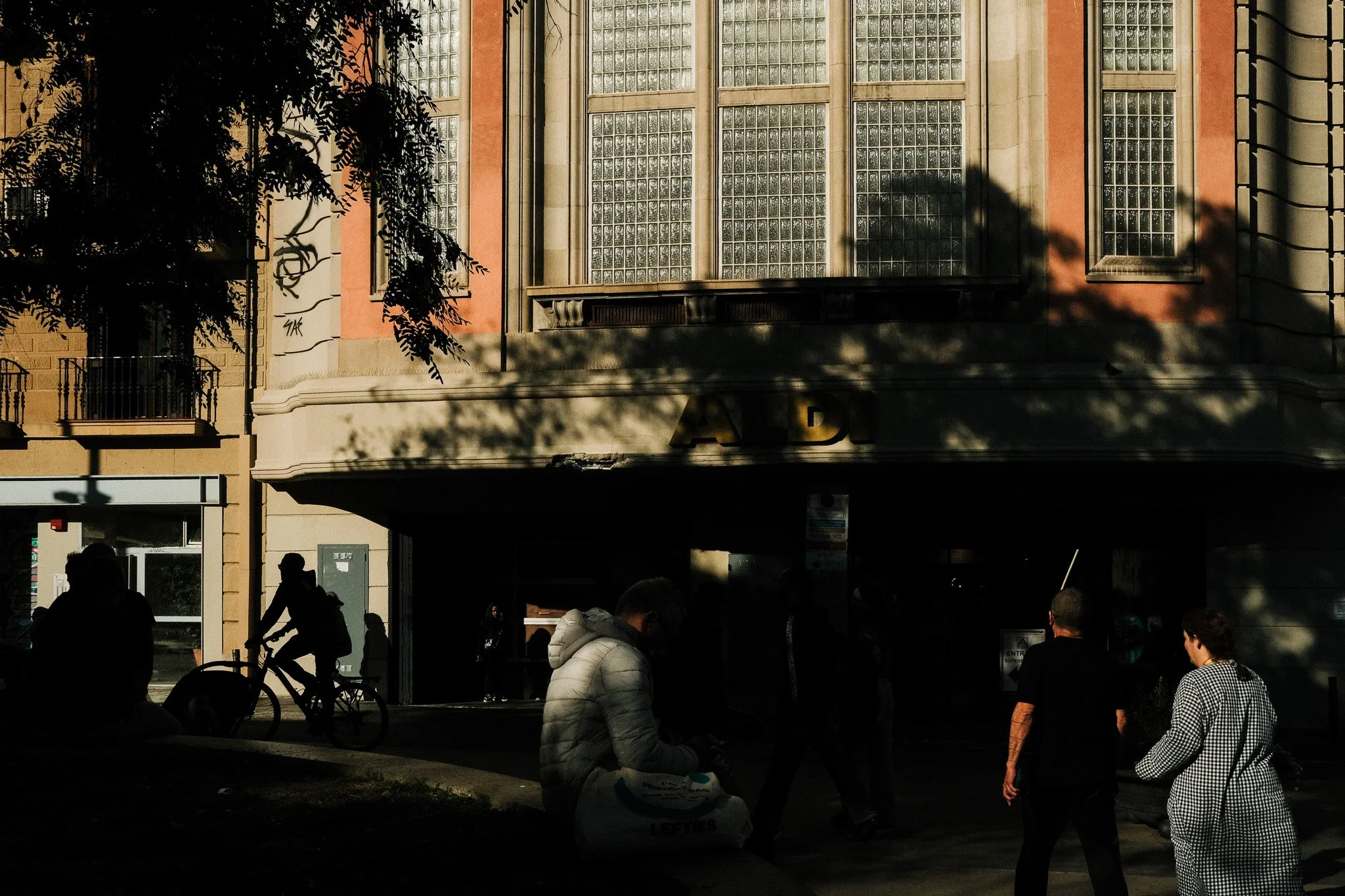
Imagine yourself living an experience, a neutral, unmoving experience. I’m sure we’ve all lived many of these. Think how you felt in that moment. And now think how you feel about it now. It has changed.
How you felt during an experience is not the same as how you feel about it now, because everything that happened after that experience – all that you’ve lived from that specific moment until now – has changed you as a person. It has changed your perception, your feelings, your thoughts about the different nuances of life. You have changed, therefore how you feel about that experience has changed too. The future after that experience has shaped that past experience. The order of time is not the intuitive past, present, future that we stated in the beginning.
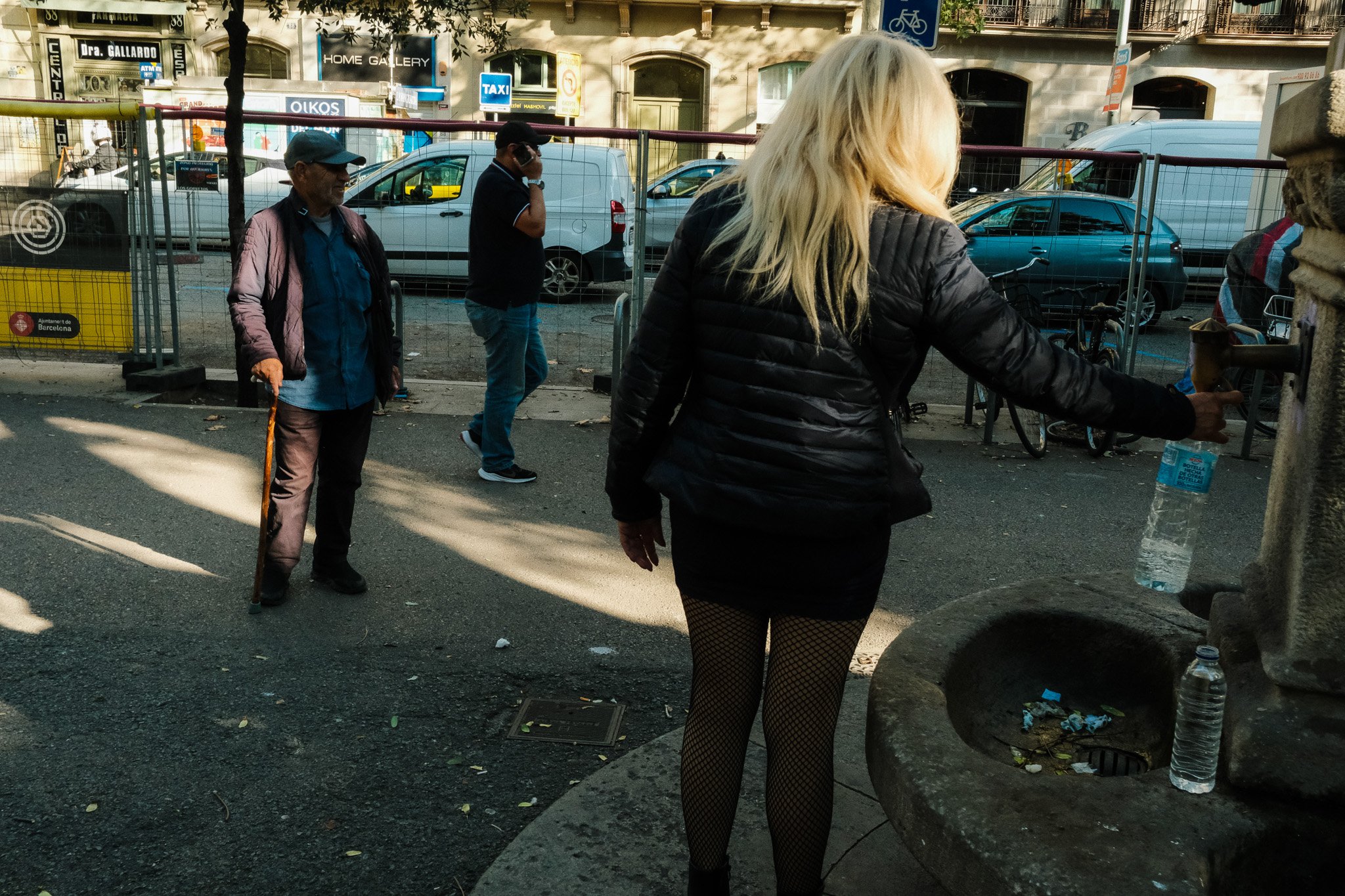
And this happens in street photography too.
Some time ago you started taking photos. You were just a novice in this subtle art of capturing time in a physical, tangible way. If you think about your first photo walk, I’m sure you felt pretty happy with your first photos taken with an actual camera and not your phone. And probably, if you take a look at them right now, you won’t feel the same way, because you have changed, you have evolved as a photographer.
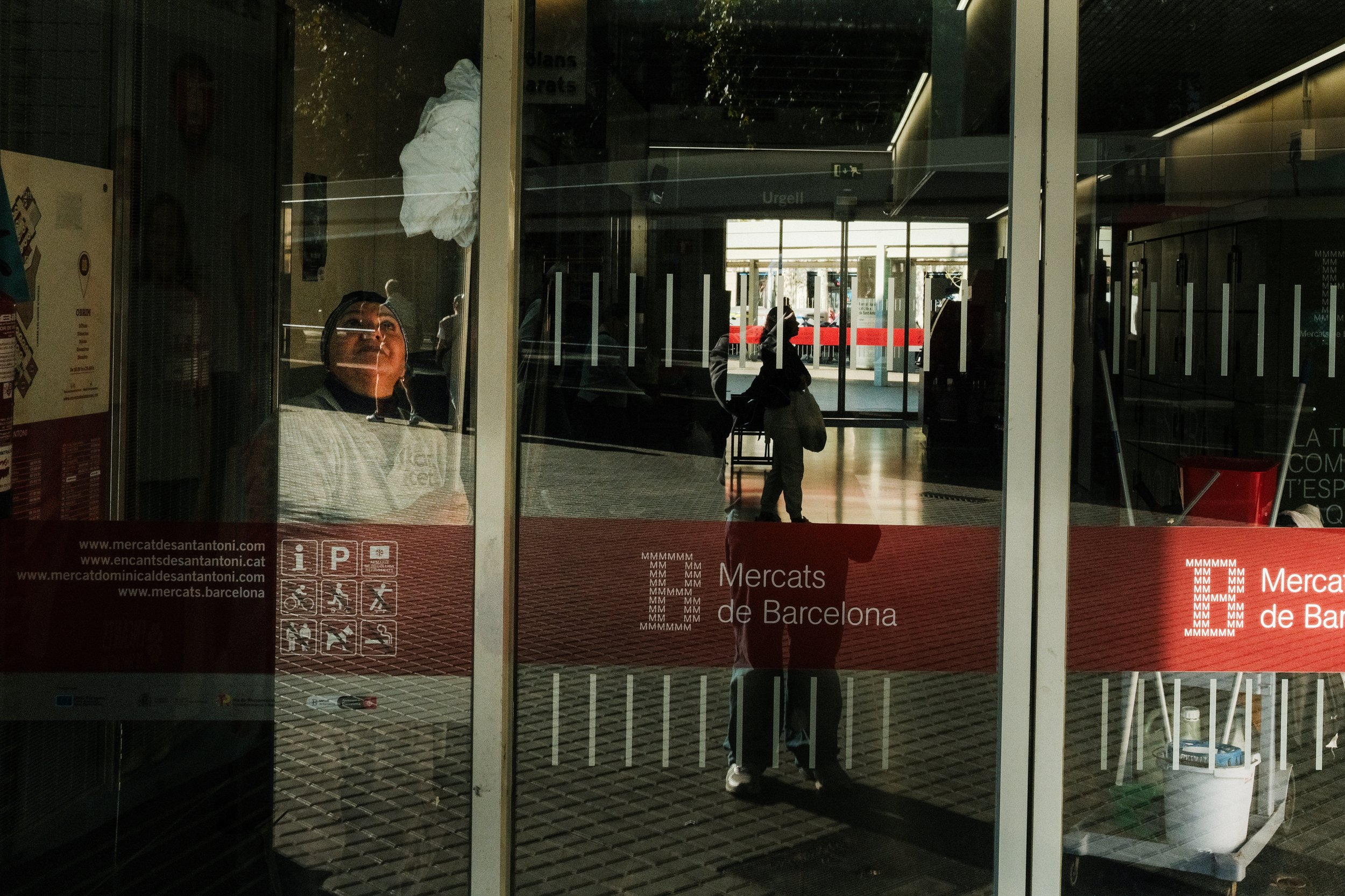
Our experiences, learning and practice have shaped our taste in photography. So, what we like right now, the style of photography that we enjoy and want to do right now… is it because we really connect with that way of doing photography, or is it just a consequence of what we have consumed, what we have practiced, what we have learned?
The photobooks we bought, the movies we saw, the videos or documentaries we watched, the photowalks we took, the courses or workshops we attended. Are they determining what we like?
Well, yes and no. We, as humans, are partly genetics and partly experience. We have a certain predisposition for certain things, and experience will modulate and shape how that predisposition evolves.
So we are a consequence of both: genetics and our experiences. Yes, all those things have shaped our taste for photography, and they have changed – and will keep changing – what we think and how we feel about our past photographs. What we like now, we might hate in the future. What doesn’t move us now, what we don’t enjoy or appreciate today, we might love in a couple of years.
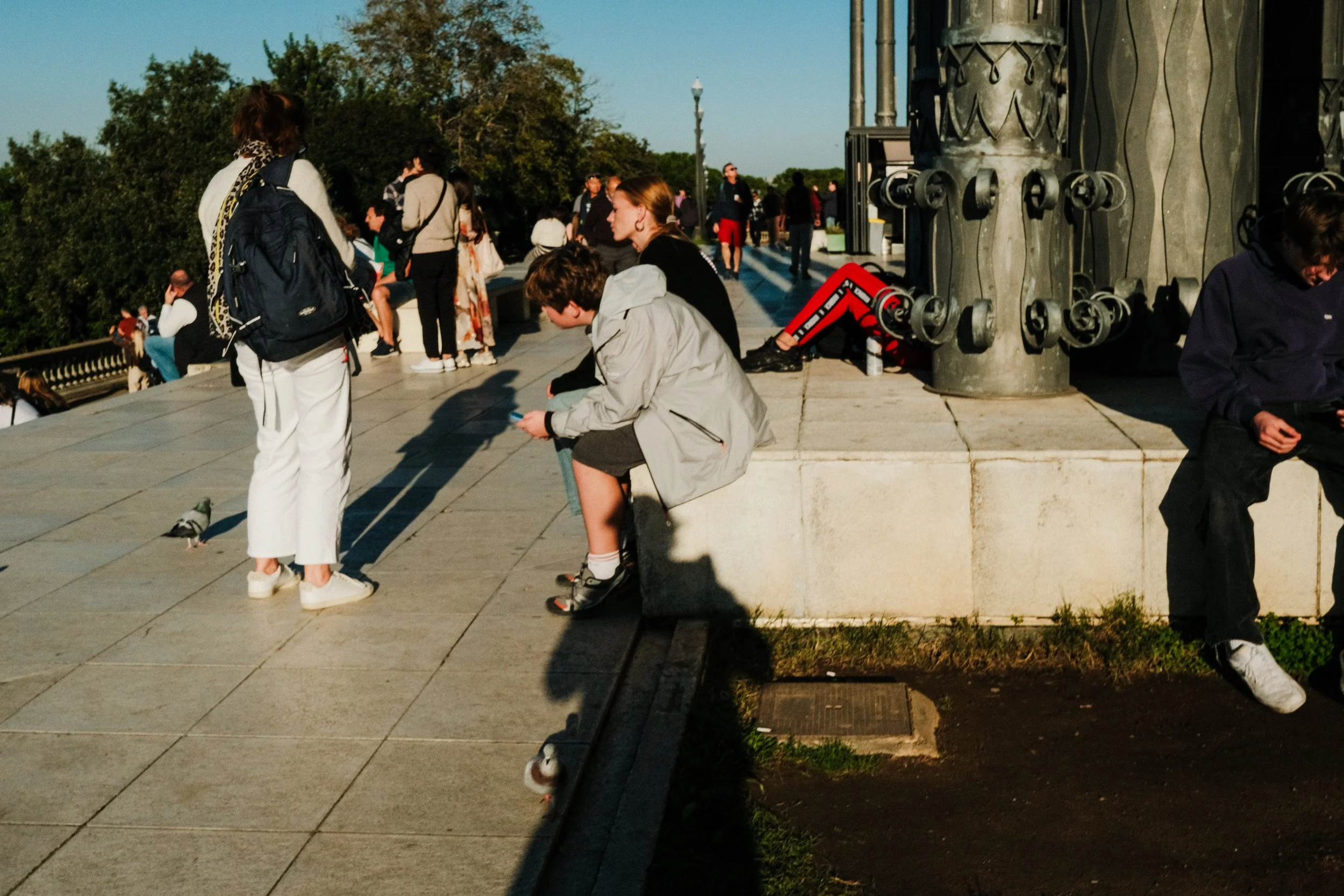
So what? How should this affect us?
Well, it shouldn’t change our way of doing this art. The only takeaway I keep is that we shouldn’t delete what we don’t like right now. Of course, we have to edit our photos, select what we like, what works, and discard what doesn’t. But if you doubt, if something inside you tells you not to delete a photo, if you hesitate for a second while editing, don’t delete it. Let it breathe. Let that photo remain in your archive.
Someday you might come back and thank your past you.
Your future you will thank your past you.
